SacredBod
0
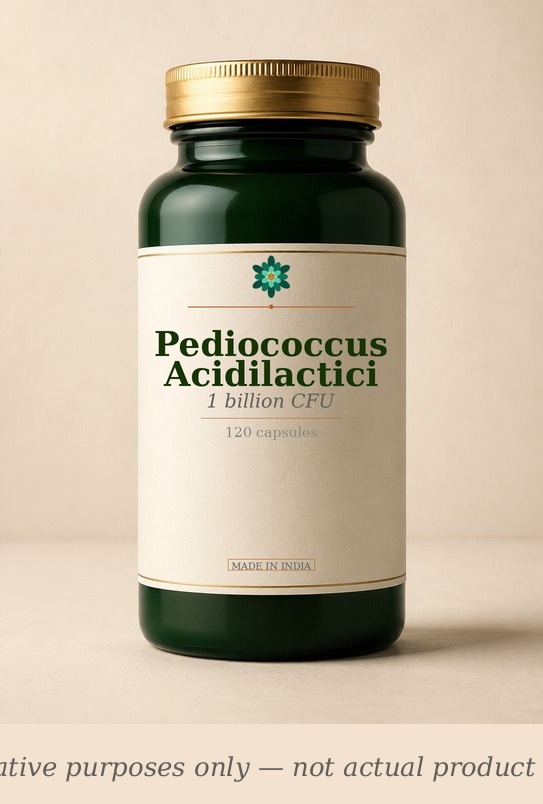
Pediococcus Acidilactici — SacredBod supplement bottle (illustrative)
Supplement · Probiotic

Pediococcus Acidilactici

1 billion CFU · vegan · gluten-free · 120 caps

Digestive discomfortLow immunityPathogen overgrowthTraveler's gut issuesBloatingPoor nutrient absorption GutImmune systemStomach
BUY on Amazon →

Affiliate link · we earn from qualifying purchases. No paid placements.

What it is

Pediococcus acidilactici is a Gram-positive lactic acid bacterium in the Lactobacillaceae family, traditionally used in fermented foods and silage preservation. It is distinguished by exceptional resistance to heat, acid and bile salts — making it one of the most robust probiotics for surviving passage through the stomach and small intestine. The R1001 strain (also called HA-6111-2) is included in several multi-strain probiotic formulations.

How it works

P. acidilactici produces bacteriocins (pediocin-like antimicrobial peptides) that inhibit pathogenic bacteria including Listeria, Salmonella and E. coli. It acidifies the intestinal lumen, creating an unfavourable environment for pathogens. The R1001 strain has demonstrated immune-modulating activity in animal models, increasing natural killer (NK) cell activity and macrophage phagocytosis. Its heat stability (survives up to 65°C) makes it ideal for shelf-stable formulations and travel.

Who should take it

Individuals seeking a heat-stable probiotic for travel or regions with unreliable refrigeration. Those wanting immune support from a bacteriocin-producing strain. Athletes interested in sports recovery probiotics. People with general digestive discomfort seeking robust GI survival.

Avoid / careful

Individuals with severe immunosuppression. Those with central venous catheters. People with short bowel syndrome or compromised intestinal integrity. Not for premature infants. Side effects: Generally well-tolerated. Mild bloating or gas during initial colonisation (first 1–2 weeks). Rare allergic reactions. As with all probiotics, immunocompromised individuals should consult a physician.

When to take it

Morning
Noon
Evening
Night

How to take it

With food
Empty stomach
Before food

FAQs

Frequently asked

How long before I see results?
Digestive benefits may be noticeable within 1–2 weeks. Immune benefits require 4–6 weeks of consistent use. The heat-stable nature means it survives better than many probiotics, potentially leading to faster colonisation.
Does it need refrigeration?
No — P. acidilactici's heat resistance makes it ideal for shelf-stable formulations. However, follow the specific product instructions. Room-temperature stable products are convenient for travel.
Is it better than Lactobacillus strains?
Different, not necessarily better. P. acidilactici's strength is GI survival and pathogen inhibition. Lactobacillus strains often have more clinical data for specific conditions. A multi-strain approach combining both is optimal.

In plain English

A plain-English read of the literature behind this supplement. Not a clinical recommendation.

Key citations: PMID 18436293 (tolerance and cow's milk allergy trial with L. casei CRL431), PMID 34739535 (L. casei 431 immune regulation in URT dysbiosis), PMID 21899798 (immune benefits of L. casei 431 in vaccination model)

Editorial notes

SacredBod's longer take on Pediococcus Acidilactici — context the structured blocks above don't capture.

What It Is

Pediococcus acidilactici is a Gram-positive lactic acid bacterium in the Lactobacillaceae family, traditionally used in fermented foods and silage preservation. It is distinguished by exceptional resistance to heat, acid and bile salts — making it one of the most robust probiotics for surviving passage through the stomach and small intestine. The R1001 strain (also called HA-6111-2) is included in several multi-strain probiotic formulations.

How It Works

P. acidilactici produces bacteriocins (pediocin-like antimicrobial peptides) that inhibit pathogenic bacteria including Listeria, Salmonella and E. coli. It acidifies the intestinal lumen, creating an unfavourable environment for pathogens. The R1001 strain has demonstrated immune-modulating activity in animal models, increasing natural killer (NK) cell activity and macrophage phagocytosis. Its heat stability (survives up to 65°C) makes it ideal for shelf-stable formulations and travel.

Who Should Consider It

Individuals seeking a heat-stable probiotic for travel or regions with unreliable refrigeration. Those wanting immune support from a bacteriocin-producing strain. Athletes interested in sports recovery probiotics. People with general digestive discomfort seeking robust GI survival.

Dosage Guide

Typical dose: 1 billion CFU per day

Form: capsules (120 count)

Best time: morning

With food: with-food

Expected onset: 2–4 weeks for digestive benefits; 4–6 weeks for immune support

Cycling: No cycling required. Can be taken continuously.

Safety & Side Effects

Known side effects: Generally well-tolerated. Mild bloating or gas during initial colonisation (first 1–2 weeks). Rare allergic reactions. As with all probiotics, immunocompromised individuals should consult a physician.

Who should avoid: Individuals with severe immunosuppression. Those with central venous catheters. People with short bowel syndrome or compromised intestinal integrity. Not for premature infants.

Avoid combining with: Antibiotics (take 2 hours apart), Immunosuppressants, Antifungals (theoretical interaction)

India-Specific Context

Pediococcus Acidilactici is available on Amazon India with varying brand quality. When selecting a probiotic, verify CFU count at expiry (not just at manufacture), strain specificity and refrigeration requirements. Indian brand preferences include Tata 1mg, ZEROHARM, Carbamide Forte, HealthKart, Jarrow Formulas, Now Foods, and Meibotan. Prices vary significantly; compare cost-per-CFU rather than capsule count alone.

Schedule status in India: Not a Schedule H drug; available as dietary supplement.

Research Summary

Key citations: PMID 18436293 (tolerance and cow’s milk allergy trial with L. casei CRL431), PMID 34739535 (L. casei 431 immune regulation in URT dysbiosis), PMID 21899798 (immune benefits of L. casei 431 in vaccination model)

Evidence grade: C — Animal and in-vitro studies; limited human clinical trials for P. acidilactici alone

Added to your stack.