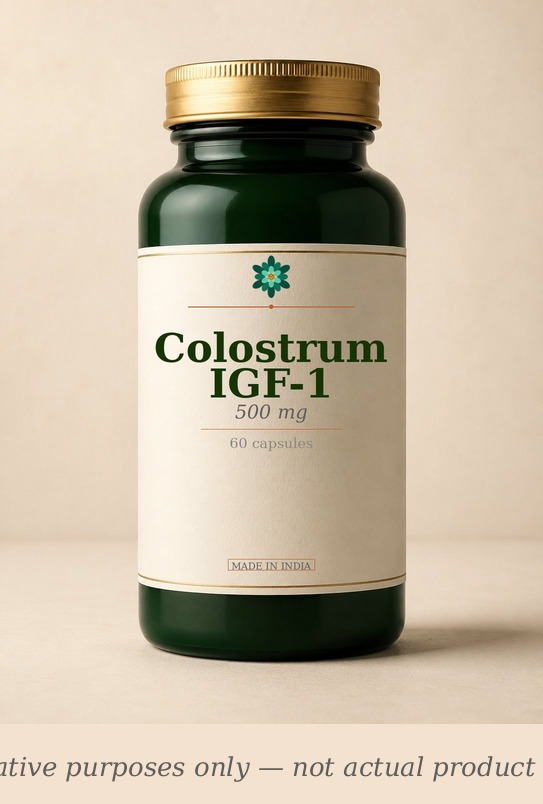
SacredBod's longer take on Colostrum IGF-1 — context the structured blocks above don't capture.
Bovine colostrum is nature’s most concentrated immune cocktail — the first milk produced after calving, packed with antibodies, growth factors, and bioactive proteins that protect the newborn calf. When concentrated and standardized, it becomes a powerful supplement for human immune defense, gut healing, and athletic recovery.
What the Research Shows
A 2022 systematic review (PMID 9227274) analyzed bovine colostrum’s effects on leaky gut syndrome in athletes. The evidence suggests that colostrum’s combined components — immunoglobulins, lactoferrin, IGF-1, and fatty acids — produce additive or synergistic effects in tightening intestinal tight junctions, stimulating Paneth cells, and reducing gut inflammation. This collectively prevents endotoxin seepage from the gut into the bloodstream — a major issue in endurance athletes.
A 2004 study (PMID 15117566) in athletes found that 20 g/day of colostrum powder reduced exercise-induced intestinal permeability by ~80% compared to placebo. This is critical for Indian athletes training in hot, polluted environments where gut stress is elevated.
IGF-1 in colostrum stimulates enterocyte growth and reduces intestinal permeability, though serum IGF-1 increases are inconsistent across studies — suggesting local gut effects may be more important than systemic absorption.
India Context
- Availability: Widely available on Amazon India. Nutriherbs, Healthvit, Colsmom, Dr. Patkar’s, and INLIFE all offer colostrum capsules and tablets.
- Price: ₹300–₹800 for 60 capsules (500 mg). Very affordable compared to international brands.
- Quality markers: Look for IgG content (20–30% is standard). Freeze-dried processing preserves bioactivity better than spray-dried. Indian brands often use grass-fed A2 cow colostrum.
- Cultural note: In rural India, cow colostrum (called ‘cheek’ or ‘bovine first milk’) is traditionally given to new mothers and weak children as a strength tonic.
Dosage & Safety
- Standard dose: 500 mg–1 g twice daily
- Athletic dose: 1–2 g twice daily
- Best time: Morning on an empty stomach or with light food
- Caution: Not for dairy allergy. Minimal lactose, but sensitive individuals should test with a low dose. Vegan incompatible.