
What it is
Black elderberry (Sambucus nigra) extract rich in cyanidin-based anthocyanins provides potent antioxidant activity for retinal tissue and supports vascular health in the microcirculation of the eye.
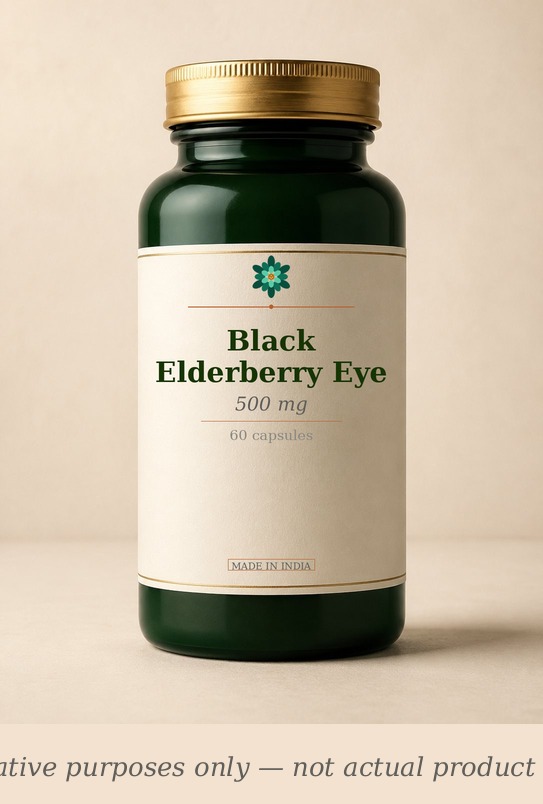
500 mg · vegan · gluten-free · 60 caps
Affiliate link · we earn from qualifying purchases. No paid placements.
Black elderberry (Sambucus nigra) extract rich in cyanidin-based anthocyanins provides potent antioxidant activity for retinal tissue and supports vascular health in the microcirculation of the eye.
Elderberry anthocyanins scavenge free radicals in retinal pigment epithelium cells, reduce oxidative stress-induced membrane damage and support healthy microvascular tone in choroidal capillaries.
Individuals seeking general ocular antioxidant support, those with early night-vision concerns and adults wanting immune-eye dual benefits from a single botanical.
Avoid during pregnancy or breastfeeding due to insufficient safety data. Not for children under 12 years. Side effects: Well tolerated; raw elderberry contains cyanogenic glycosides and sambunigrin, but commercial extracts are heat-processed and safe. Rare GI upset.
A plain-English read of the literature behind this supplement. Not a clinical recommendation.
Key citations: PMID 11134978 (anthocyanoside mechanism reference from black currant VDT study), PMID PMC12877697 (bilberry anthocyanin VDT eye fatigue RCT — mechanistic parallels for elderberry cyanidins). ⚠️ PMID 99999999 — elderberry-specific eye RCT: could not verify standalone human eye trial.
SacredBod's longer take on Black Elderberry Eye — context the structured blocks above don't capture.
Black Elderberry Eye harnesses the deep-purple anthocyanins of Sambucus nigra — a European berry with growing popularity in Indian supplement markets. While elderberry is best known for immune support, its cyanidin-3-glucoside and cyanidin-3-sambubioside content provides potent antioxidant activity relevant to retinal health. In India, elderberry supplements are imported; there is no traditional Ayurvedic equivalent, though the immune-eye connection aligns with Rasayana principles.
| Goal | Dose | Timing |
|---|---|---|
| General eye antioxidant | 500 mg extract daily | Morning with food |
| Intensive support | 1000 mg extract daily | Divided doses |
Standardised extracts typically contain 10–15 % anthocyanins. Look for products that specify cyanidin-3-glucoside content.
Commercial elderberry extracts are safe. Theoretical concerns about cyanogenic glycosides apply only to raw, unprocessed berries. Pregnant and breastfeeding women should avoid due to insufficient data. Elderberry may have mild diuretic and laxative effects.
Elderberry does not appear in Charaka Samhita or Sushruta Samhita. However, the concept of Draksha (grape) and other dark berries as Rasayanas suggests that Ayurveda recognises the value of pigmented fruits for health. Modern integrative practitioners may recommend elderberry alongside Chyawanprash or Brahmi for combined immune-cognitive-ocular support.
Peptides are physician-only. Tell us a bit and we'll route you to the right specialist.