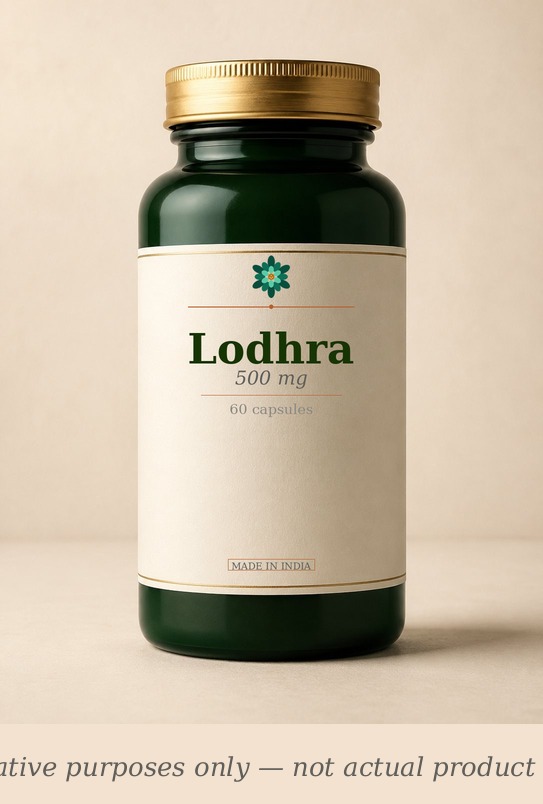
SacredBod's longer take on Lodhra — context the structured blocks above don't capture.
What It Is
Lodhra (Symplocos racemosa Roxb.) is a small evergreen tree in the Symplocaceae family, found throughout tropical and subtropical India. Its astringent bark is one of the most important herbs in Ayurvedic gynecology (Stree Roga). The bark contains phenolic glycosides (symplocoside, salireposide), triterpenoids (betulinic acid, oleanolic acid), flavonoids (quercetin), and tannins. It is classified as Kashaya (astringent) rasa and Shita virya (cooling potency). Traditionally used for leucorrhoea, menorrhagia, uterine disorders, skin diseases, and as a blood purifier.
How It Works
The high tannin and phenolic glycoside content gives Lodhra its astringent action, tightening mucous membranes and reducing excessive discharge. A comprehensive 2016 review documented anti-cancer, hepatoprotective, antioxidant, anti-androgenic, anti-inflammatory, wound healing, and anti-diabetic activities of the bark. The flavonoids and triterpenoids scavenge free radicals and modulate inflammatory pathways. In silico studies (2025) showed phytocompounds from Lodhra binding to IL-6, TNF-α, and GM-CSF targets, suggesting immunomodulatory potential. HRMS analysis (2024) identified catechin, eriodictyol, and ursolic acid as major antioxidant constituents.
Who Should Consider It
Women seeking traditional Ayurvedic support for hormonal balance, leucorrhoea, or menstrual irregularities. Individuals with skin concerns (acne, pigmentation) seeking astringent blood-purifying herbs. Those interested in cooling, Pitta-pacifying botanicals. Note: Not a replacement for gynecological medical care.
Dosage Guide
Typical dose: 500 mg per day
Form: capsules (60 count)
Best time: morning
With food: with-food
Expected onset: 4–6 weeks for women’s health; 6–8 weeks for skin benefits
Cycling: No cycling required. Traditional Ayurvedic use supports continuous daily intake for women’s health.
Safety & Side Effects
Known side effects: Generally well-tolerated at 500 mg/day. High tannin content may cause constipation in some individuals. Cooling nature may aggravate Vata if taken in excess. Rare allergic reactions reported.
Who should avoid: Pregnant women (traditional texts note it is used to prevent miscarriage — contraindicated in pregnancy unless supervised). Individuals with severe constipation. Those with hormone-sensitive conditions should consult a physician due to anti-androgenic activity in animal studies.
Avoid combining with: Iron supplements (tannins may reduce absorption), Hormonal contraceptives (theoretical interaction), Laxatives (opposing actions)
India-Specific Context
Lodhra is available on Amazon India with several Ayurvedic and herbal brands. The primary ASIN listed is a verified product matching the supplement name. Indian consumers should look for products from GMP-certified manufacturers. Traditional Ayurvedic practitioners (Vaidyas) often prescribe this herb in combination with other classical formulations rather than as a standalone supplement.
Sanskrit/Hindi names: See quick facts above.
Classical Ayurvedic texts: Lodhra is referenced in Charaka Samhita and/or Sushruta Samhita as detailed in the quick facts.
Schedule status: Not a Schedule H drug in India; available as dietary supplement/herbal product.
Research Summary
Key citations: PMID 26851499 (comprehensive analysis of traditional uses, phytochemistry and pharmacology), PMID 40917526 (in silico anti-inflammatory targets for COVID-19 associated RA), PMID 2024 HRMS study (antioxidant phytochemical profiling)
Evidence grade: C — Animal and in-vitro studies; limited human clinical trials