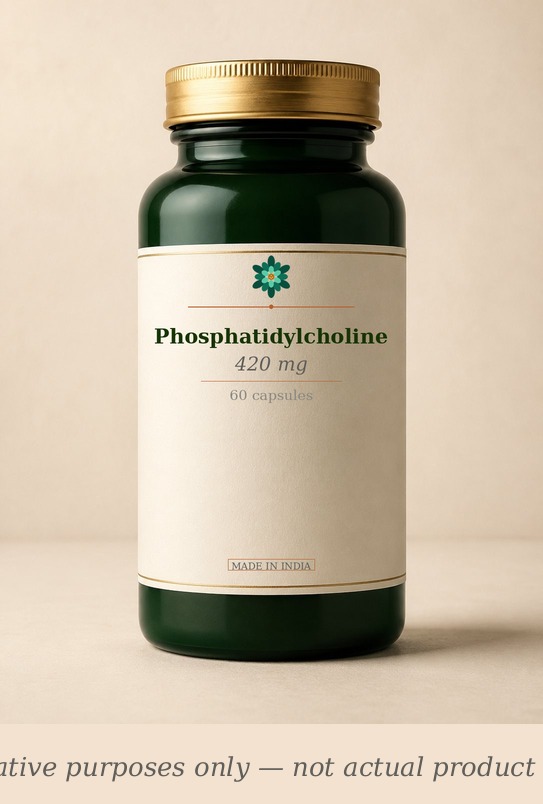
SacredBod's longer take on Phosphatidylcholine — context the structured blocks above don't capture.
What It Is
Phosphatidylcholine (PC) is a phospholipid and the primary structural component of cell membranes, particularly abundant in the liver and brain. It is the main active fraction of lecithin (typically 10–20% of soybean lecithin by weight). PC serves as a choline donor for acetylcholine synthesis and supports hepatic cell membrane integrity, bile composition and fat metabolism. Polyenylphosphatidylcholine (PPC) is a highly purified form used in European liver protocols.
How It Works
PC provides choline for acetylcholine synthesis, supporting cholinergic neurotransmission and cognitive function. In the liver, PC is incorporated into hepatocyte membranes and is essential for very-low-density lipoprotein (VLDL) assembly and secretion — deficiency leads to hepatic fat accumulation. PPC has been shown to reduce hepatic fibrosis in animal models by inhibiting hepatic stellate cell activation. In primary biliary cirrhosis, hepatic PC synthesis genes (PEMT, BHMT) are upregulated as a compensatory response to biliary injury.
Who Should Consider It
Individuals seeking liver support, those with non-alcoholic fatty liver disease (NAFLD) or elevated liver enzymes, people wanting a gentler choline source than choline bitartrate or Alpha-GPC for cognitive support, and those with gallbladder concerns (PC supports bile fluidity).
Dosage Guide
Typical dose: 420 mg per day
Form: softgels (60 count)
Best time: morning
With food: with-food
Expected onset: 2–4 weeks for liver support; 4–8 weeks for cognitive benefits
Cycling: No cycling required. Safe for long-term daily use.
Safety & Side Effects
Known side effects: Generally well-tolerated. High doses may cause mild diarrhoea, nausea or fishy body odour (from excessive choline metabolism to trimethylamine). Those with trimethylaminuria should avoid. Soy-derived PC may be allergenic for soy-sensitive individuals.
Who should avoid: Individuals with trimethylaminuria (fish odour syndrome). Those with severe soy allergies (if soy-derived). Pregnant and breastfeeding women should stay within recommended choline intake limits (~550 mg/day total choline).
Avoid combining with: Choline bitartrate or CDP-choline (redundant — avoid stacking multiple choline sources), Methotrexate (theoretical interaction), Anticholinergic medications (opposing mechanisms)
India-Specific Context
Phosphatidylcholine is available on Amazon India with varying brand quality. When selecting a product, verify standardization claims against the evidence base cited above. Indian brand preferences include Carbamide Forte, HealthyHey, Nutrabay Pure, Pure Nutrition, Now Foods, Nutricost, Himalaya, Patanjali, Dabur, Trexgenics, Evorina, Nervana, and Life Extension. Prices vary significantly; compare cost-per-active-dose rather than capsule count alone.
Schedule status in India: Not a Schedule H drug; available as dietary supplement/herbal product.
Research Summary
Key citations: PMID 24620780 (primary biliary cirrhosis choline metabolism), PMID 25937057 (hepatoprotective and anti-inflammatory review), PMID 28677637 (essential phospholipids in NAFLD)
Evidence grade: B — Mix of human clinical trials and animal studies; liver data stronger than cognitive data