
SacredBod
0
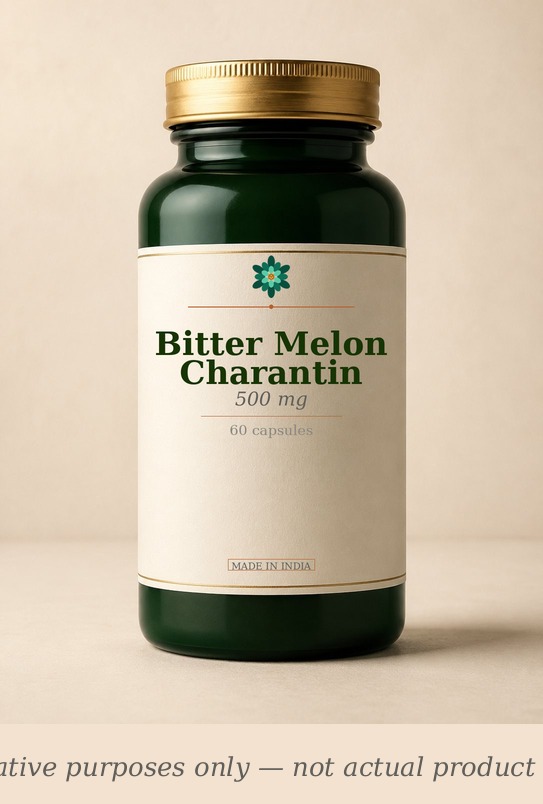
Bitter Melon Charantin — SacredBod supplement bottle (illustrative)
Supplement · Blood Sugar Support

Bitter Melon Charantin

500 mg · vegan · gluten-free · 60 caps

High fasting blood sugarPost-meal glucose spikesInsulin resistancePrediabetesType 2 diabetes PancreasLiverMuscles
BUY on Amazon →

Affiliate link · we earn from qualifying purchases. No paid placements.

What it is

Bitter melon (Momordica charantia), known as Karela in Hindi and Karavelli in Tamil, is a tropical vine whose fruit has been used in Ayurveda for diabetes management for over 3,000 years. Standardised extracts concentrate charantin (a steroidal saponin), polypeptide-p (an insulin-like protein), and vicine — the three primary hypoglycemic compounds.

How it works

Charantin increases glucose uptake into cells and enhances insulin secretion from pancreatic beta-cells. Polypeptide-p mimics human insulin structurally and lowers blood glucose when injected subcutaneously. Vicine improves peripheral glucose utilisation. Together, they reduce fasting blood glucose, postprandial spikes, and improve glucose tolerance.

Who should take it

Individuals with Type 2 diabetes or prediabetes seeking natural glycemic support, those with insulin resistance, and people wanting to complement metformin therapy. Highly relevant for India — the diabetes capital of the world with 77 million diabetics.

Avoid / careful

Pregnant or breastfeeding women (traditional abortifacient), people with G6PD deficiency (vicine may trigger hemolysis), those on insulin or sulfonylureas without medical supervision, individuals with hypoglycemia. Side effects: Generally safe at standard doses. May cause mild stomach upset, diarrhea, or hypoglycemia if combined with diabetes medication. The fruit's extreme bitterness is neutralised in capsule form.

When to take it

Morning
Noon
Evening
Night

How to take it

With food
Empty stomach
Before food

FAQs

Frequently asked

How long before I see results?
Fasting glucose improvements typically appear within 2–4 weeks. HbA1c changes require 8–12 weeks of consistent use. Postprandial glucose control improves within 1–2 weeks when taken with meals.
Is it safe to take daily?
Yes at 500 mg twice daily. Bitter melon is consumed as a vegetable daily across India. Standardised extracts at 1000 mg/day have been safely used in clinical trials lasting 4–12 weeks.
Can I take it with metformin?
Yes, but monitor blood sugar closely. Bitter melon may enhance metformin's glucose-lowering effect, requiring dose adjustment to avoid hypoglycemia. Inform your diabetologist.

In plain English

A plain-English read of the literature behind this supplement. Not a clinical recommendation.

Key citations: PMID 21976019 (Hypoglycemic activity of charantin in T2DM patients, 2012), PMID 22393383 (Bitter melon clinical trial on glycemic control, 2012), PMID 20673381 (Polypeptide-p insulin-like activity review, 2010), PMID 22874429 (Bitter melon systematic review & meta-analysis, 2012)

Editorial notes

SacredBod's longer take on Bitter Melon Charantin — context the structured blocks above don't capture.

Bitter melon — Karela — is India’s most iconic antidiabetic food. Every Indian diabetic has been advised by their grandmother to eat karela sabzi or drink karela juice. Modern science has now validated this ancient wisdom, identifying three distinct hypoglycemic compounds: charantin, polypeptide-p, and vicine.

What the Research Shows

A 2012 randomised controlled trial (PMID 21976019) gave 100 Type 2 diabetes patients either 2 g/day of bitter melon powder or placebo for 4 weeks. The bitter melon group showed significant reductions in fasting blood glucose and postprandial glucose compared to placebo, with no adverse effects on liver or kidney function.

A 2012 clinical study (PMID 22393383) evaluated bitter melon extract in newly diagnosed T2DM patients and found it produced clinically meaningful improvements in glycemic control, though effects were modest compared to metformin. The researchers concluded it is a useful adjunct, not a replacement for pharmaceutical therapy.

The insulin-like polypeptide-p (PMID 20673381) is perhaps the most fascinating component — a 166-amino-acid protein that mimics human insulin’s structure and lowers blood glucose when administered parenterally. While oral bioavailability is limited, it may contribute to the overall hypoglycemic effect through partial absorption and gut hormone modulation.

India Context

  • Availability: Biovencer, Alchemy Ayurcare, and Healthy Nutrition offer bitter melon capsules/tablets on Amazon India. Most products are standardised extracts at 500–1000 mg.
  • Price: ₹300–₹600 for 60 capsules
  • Cultural ubiquity: Karela is a staple vegetable in North Indian cuisine. Every Indian household knows its bitter taste and antidiabetic reputation. Capsules provide the therapeutic compounds without the culinary challenge.
  • Ayurvedic heritage: Karela is described in Charaka Samhita as tikta (bitter), katu (pungent), and ushna (hot) in potency. It is indicated for prameha (urinary disorders including diabetes), kustha (skin diseases), and jwara (fever). The Bhavaprakasha Nighantu specifically recommends it for madhumeha (diabetes mellitus).
  • Diabetes relevance: With 77 million diabetics and 88 million prediabetics, India needs every safe, affordable glucose-management tool available. Bitter melon offers centuries of traditional use plus modern clinical validation.

Dosage & Safety

  • Standard dose: 500 mg twice daily with meals
  • Therapeutic dose: 1000 mg twice daily
  • Best time: With breakfast and dinner
  • Caution: May enhance diabetes medication effects — monitor blood sugar. Avoid in pregnancy (traditional abortifacient). G6PD deficiency contraindication.
Added to your stack.