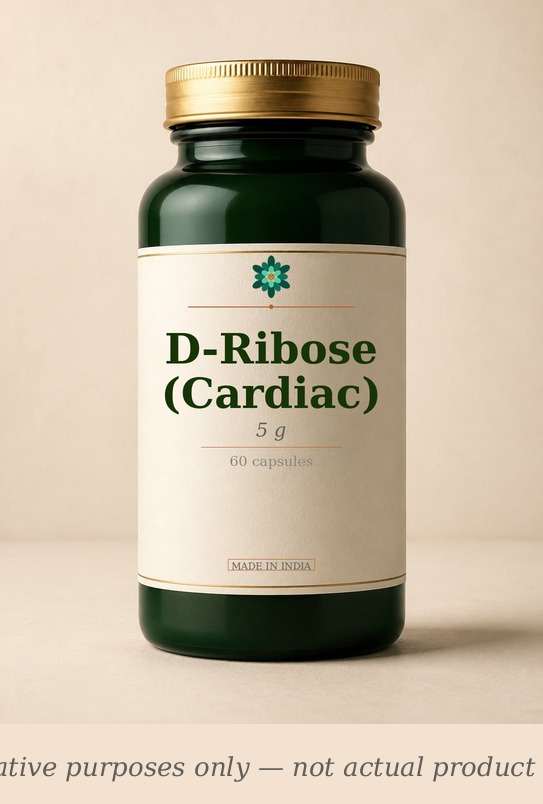
SacredBod's longer take on D-Ribose (Cardiac) — context the structured blocks above don't capture.
What It Is
D-ribose is a five-carbon sugar (pentose) that is an essential structural component of ATP (adenosine triphosphate), the primary energy currency of cells. Unlike glucose, ribose is not burned for energy but rather used to synthesise nucleotides and rebuild ATP stores. In cardiac tissue, which has limited capacity for de novo ribose synthesis, supplemental D-ribose can rapidly restore depleted ATP levels after ischemia, exercise or metabolic stress.
How It Works
D-ribose bypasses the rate-limiting step of the pentose phosphate pathway (glucose-6-phosphate dehydrogenase), providing a direct substrate for ATP synthesis. In heart failure, ischemic tissue and fibromyalgia, cellular ATP is chronically depleted. D-ribose replenishes these stores, improving diastolic function, exercise tolerance and energy levels. A 2003 study in stable coronary artery disease patients showed D-ribose improved diastolic function and quality of life. A 2006 study demonstrated it enhanced ventilatory efficiency in heart failure patients during exercise.
Who Should Consider It
Individuals with heart failure or coronary artery disease seeking energy metabolism support. Those with chronic fatigue syndrome, fibromyalgia or post-viral fatigue. Athletes wanting faster recovery between intense training sessions. People with diastolic dysfunction. Not a replacement for prescription cardiac therapy.
Dosage Guide
Typical dose: 5 g per day
Form: powder (60 count)
Best time: morning
With food: with-food
Expected onset: 1–2 weeks for energy; 2–4 weeks for cardiac benefits; 4–8 weeks for fibromyalgia
Cycling: No cycling required. Can be taken continuously.
Safety & Side Effects
Known side effects: Generally well-tolerated. Mild hypoglycaemia in diabetics if taken without food (ribose lowers blood glucose transiently). Mild gastrointestinal upset (nausea, diarrhoea) at high doses. Sweet taste may be unpleasant for some. No serious adverse events reported.
Who should avoid: Individuals with diabetes (may lower blood glucose — monitor closely and take with meals). Those with hereditary fructose intolerance. Pregnant and breastfeeding women (safety not established). Not for children.
Avoid combining with: Insulin and hypoglycaemic drugs (may potentiate glucose-lowering effect), Other sugar supplements (redundant), Xylitol or sorbitol (may cause GI upset when combined)
India-Specific Context
D-Ribose (Cardiac) is available on Amazon India with varying brand quality. When selecting a product, verify standardization claims against the evidence base cited above. Indian brand preferences include Carbamide Forte, HealthyHey, Nutrabay Pure, Pure Nutrition, Now Foods, Nutricost, Himalaya, Patanjali, Dabur, Trexgenics, Evorina, Nervana, Life Extension, VITARUHE, ASTERVEDA, BECLEC, GreenOpia, Rasayanam, Zyrex, and Shree Herbal. Prices vary significantly; compare cost-per-active-dose rather than capsule count alone.
Schedule status in India: Not a Schedule H drug; available as dietary supplement/herbal product.
Research Summary
Key citations: PMID 15532307 (post-CABG exercise capacity), PMID 19400265 (severe CHF survival), PMID 26687760 (2015 meta-analysis), PMID 9595733 (exercise tolerance in CHD)
Evidence grade: B — n=see study in CAD and heart failure trials; fibromyalgia studies also available