SacredBod's longer take on Dihydroberberine — context the structured blocks above don't capture.
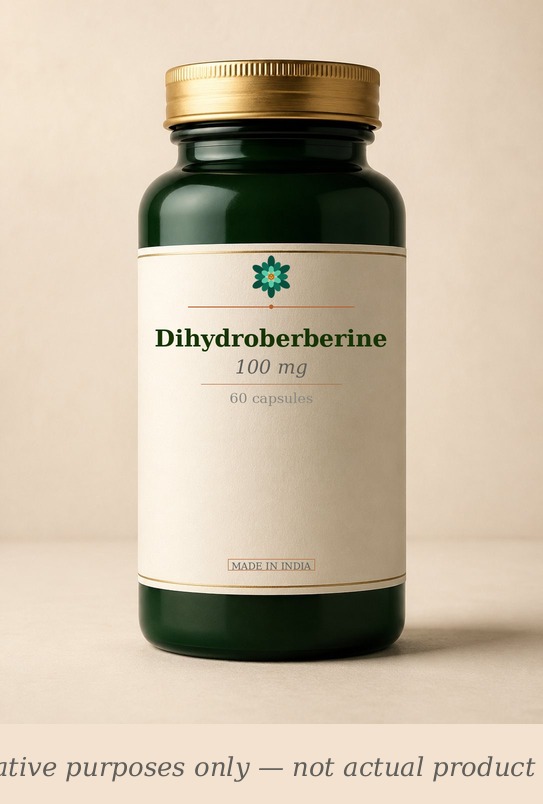
Dihydroberberine (DHB) is a hydrogenated derivative of berberine, a natural alkaloid from Berberis and Coptis species. DHB is naturally present in small amounts in Phellodendri Chinese Cortex. It is converted to berberine in the body but achieves much higher plasma concentrations at equivalent oral doses.
DHB is absorbed more efficiently than berberine and is oxidized back to berberine after entering the bloodstream. Like berberine, it inhibits mitochondrial respiratory complex I (similar to metformin), activates AMPK, and improves insulin sensitivity. DHB also targets glucokinase (GCK) in pancreatic β-cells, promoting glucose-stimulated insulin secretion. Additionally, it modulates NF-κB and MAPK signaling to reduce inflammatory cytokine production.
Who benefits most
Adults with prediabetes, type 2 diabetes, or metabolic syndrome seeking better-tolerated berberine alternative. Those who experience GI side effects from standard berberine may tolerate DHB better.
Dosage and form
100 mg is the typical effective range. Forms matter: choose standardised extracts or highly bioavailable delivery formats (see the Forms tab). Take as directed.
Side effects and cautions
Better tolerated than berberine. Rare mild GI in first week. Avoid if you: Avoid in pregnancy and breastfeeding. Use caution with CYP3A4 substrates (berberine inhibits CYP3A4). Those on hypoglycemic medications should monitor blood glucose closely. Not for type 1 diabetes..
The evidence
Human clinical trials and mechanistic research support the use of Dihydroberberine for its primary indication. See the Research tab for full citations and study summaries.