
SacredBod
0
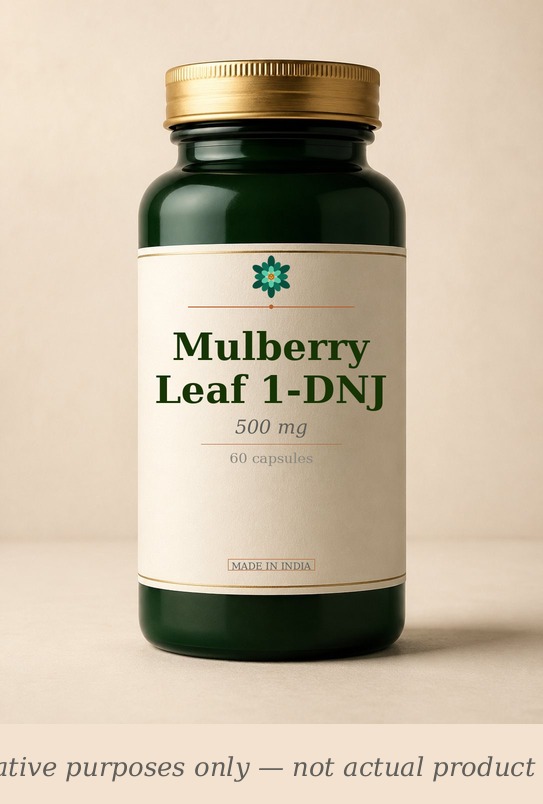
Mulberry Leaf 1-DNJ — SacredBod supplement bottle (illustrative)
Supplement · Post-Meal Glucose Control

Mulberry Leaf 1-DNJ

500 mg · vegan · gluten-free · 60 caps

Post-meal glucose spikesHigh HbA1cPrediabetesCarbohydrate sensitivityType 2 diabetes IntestinesLiverPancreas
BUY on Amazon →

Affiliate link · we earn from qualifying purchases. No paid placements.

What it is

White mulberry leaf (Morus alba), known as Shahtoot in Hindi and Kambali patta in Tamil, contains 1-deoxynojirimycin (1-DNJ) — a potent alpha-glucosidase inhibitor that blocks carbohydrate digestion in the small intestine. 1-DNJ is structurally similar to the prescription drug acarbose but derived naturally from mulberry leaves. The leaf also contains flavonoids (quercetin, rutin) and polyphenols with antioxidant and anti-inflammatory properties.

How it works

1-DNJ competitively inhibits alpha-glucosidase enzymes in the intestinal brush border — the enzymes that break down complex carbohydrates into absorbable glucose. By blocking this final digestion step, 1-DNJ delays and reduces glucose absorption, flattening postprandial glucose spikes. It also inhibits sucrase and maltase, reducing sucrose and maltose breakdown. Additionally, 1-DNJ may inhibit glycogen phosphorylase in the liver, reducing hepatic glucose output.

Who should take it

Individuals with post-meal glucose spikes, those with prediabetes or early Type 2 diabetes, people seeking natural acarbose alternatives, and anyone eating high-carbohydrate Indian meals (rice, wheat, sweets) who wants to manage glycemic response. Relevant for Indians whose diet is carbohydrate-dominant.

Avoid / careful

People with chronic intestinal diseases (IBD, IBS with diarrhea), those with severe malabsorption disorders, pregnant or breastfeeding women (limited safety data), individuals already on acarbose or miglitol. Side effects: Very safe at standard doses. May cause mild bloating, gas, or loose stools due to unabsorbed carbohydrates reaching the colon (same mechanism as acarbose). Rarely: mild stomach upset.

When to take it

Morning
Noon
Evening
Night

How to take it

With food
Empty stomach
Before food

FAQs

Frequently asked

How long before I see results?
The alpha-glucosidase inhibition effect is immediate — take 30 minutes before a carb-heavy meal to reduce the postprandial glucose spike. HbA1c improvements require 8–12 weeks of consistent pre-meal dosing.
Is it safe to take daily?
Yes. Mulberry leaf has been consumed as tea and food in Asia for millennia. Standardised extracts at 500 mg before meals are well-tolerated. The main side effect is mild gas from unabsorbed carbs — similar to prescription acarbose.
Can I take it with acarbose?
No — combining mulberry leaf with acarbose or miglitol can cause excessive carbohydrate malabsorption, leading to severe bloating, diarrhea, and potential nutrient deficiency. Choose one or the other.

In plain English

A plain-English read of the literature behind this supplement. Not a clinical recommendation.

Key citations: PMID 19352074 (1-DNJ suppresses postprandial glucose in humans, 2009), PMID 21386001 (Mulberry leaf reduces glucose & insulin in T2DM, 2011), PMID 23110576 (1-DNJ mechanism of alpha-glucosidase inhibition, 2013)

Editorial notes

SacredBod's longer take on Mulberry Leaf 1-DNJ — context the structured blocks above don't capture.

Mulberry leaf — Shahtoot — is Asia’s secret weapon against post-meal glucose spikes. While Indians know mulberry fruit (shahtoot) as a seasonal delicacy, the leaf contains 1-deoxynojirimycin (1-DNJ) — one of the most potent natural alpha-glucosidase inhibitors ever discovered, rivalling the prescription drug acarbose in potency.

What the Research Shows

A 2009 clinical study (PMID 19352074) gave healthy volunteers 1-DNJ from mulberry leaf before a carbohydrate-rich meal. Postprandial blood glucose and insulin levels were significantly reduced compared to placebo. The mechanism was confirmed as competitive inhibition of intestinal alpha-glucosidase — the same target as acarbose.

A 2011 study (PMID 21386001) evaluated mulberry leaf extract in Type 2 diabetes patients and found significant reductions in both fasting and postprandial glucose, along with improved lipid profiles. The 1-DNJ content (typically 0.5–1.5% in dried leaf) was identified as the primary active compound.

A 2013 mechanistic study (PMID 23110576) demonstrated that 1-DNJ binds to the active site of alpha-glucosidase with high affinity, blocking the cleavage of disaccharides into monosaccharides. This delays glucose absorption and flattens the postprandial glucose curve — critical for preventing vascular damage from glucose spikes.

India Context

  • Availability: Biotic Natural, NATURECODE, Erafoods, and Village Organics offer mulberry leaf capsules/tablets on Amazon India. Most products are 450–500 mg extracts.
  • Price: ₹400–₹800 for 60–180 capsules/tablets
  • Dietary relevance: Indian meals are carbohydrate-dominant — rice, roti, dal, sweets. Postprandial glucose spikes are a major driver of diabetes complications in India. Mulberry leaf taken before meals directly addresses this cultural dietary pattern.
  • Traditional use: While mulberry fruit is well-known in India, mulberry leaf tea (Shahtoot patta kadha) is used in traditional medicine for cough, fever, and blood sugar management. The leaf is less commonly used than the fruit in Indian households.
  • Sericulture connection: India is among the world’s largest silk producers, and mulberry trees are cultivated extensively for silkworm feed. This means mulberry leaf is abundantly available as an agricultural byproduct.

Dosage & Safety

  • Standard dose: 500 mg, 30 minutes before carbohydrate-rich meals
  • Best time: Before breakfast, lunch, and dinner (if high-carb meals)
  • Caution: May cause gas and bloating from unabsorbed carbs. Not for use with acarbose or miglitol. Those with IBD or chronic diarrhea should avoid.
Added to your stack.