
SacredBod
0
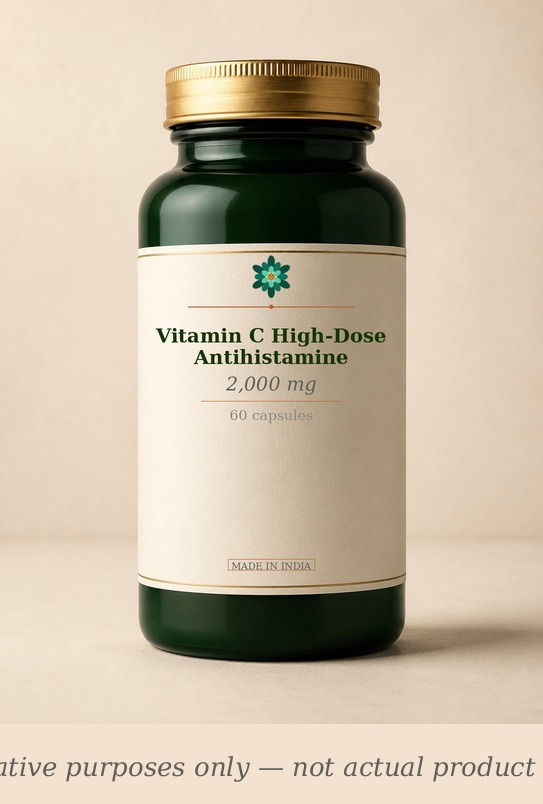
Vitamin C High-Dose Antihistamine — SacredBod supplement bottle (illustrative)
Supplement · Allergy & Histamine Control

Vitamin C High-Dose Antihistamine

2,000 mg · vegan · gluten-free · 60 caps

Histamine intoleranceSeasonal allergiesItchy skin / hivesRunny noseSneezingMast cell activation symptomsFood-triggered flushing Immune systemGutSkinNasal mucosa
BUY on Amazon →

Affiliate link · we earn from qualifying purchases. No paid placements.

What it is

Vitamin C (ascorbic acid) is a water-soluble antioxidant that serves as an essential cofactor for diamine oxidase (DAO) — the primary enzyme that degrades histamine in the gut and blood. At high doses (2–6g/day), it also stabilises mast cell membranes, inhibits histidine decarboxylase (the enzyme that synthesises histamine), and directly degrades histamine through copper-catalysed oxidation. It is one of the most accessible and cost-effective anti-histamine nutrients.

How it works

Vitamin C supports histamine metabolism through three mechanisms: (1) as a cofactor for DAO, enhancing the enzyme's ability to break down histamine in the intestinal mucosa and plasma; (2) as a mast cell membrane stabiliser, reducing spontaneous histamine release; and (3) by directly degrading histamine via copper-catalysed oxidation to inactive metabolites. The 2014 RCT demonstrated that 2g oral vitamin C significantly reduced histamine levels and seasickness symptoms (which are histamine-mediated).

Who should take it

Individuals with histamine intolerance, mast cell activation syndrome (MCAS), seasonal allergies, or food-triggered histamine reactions; those with low dietary vitamin C intake (smokers, low-fruit/vegetable diets); and anyone seeking an affordable, non-sedating anti-allergy nutrient.

Avoid / careful

Individuals with kidney stones or oxalate metabolism disorders; those with iron overload (vitamin C enhances iron absorption); people with G6PD deficiency at very high IV doses. Side effects: Generally very safe. Doses above 2g may cause loose stools or diarrhoea (osmotic effect). Rare kidney stone risk in those with oxalate metabolism disorders. Nausea at very high doses on empty stomach.

When to take it

Morning
Noon
Evening
Night

How to take it

With food
Empty stomach
Before food

FAQs

Frequently asked

How long before I see results?
For acute histamine reactions (food triggers, allergy flares), 1–2g vitamin C can reduce symptoms within 1–2 hours. For chronic seasonal allergies, daily dosing of 2–4g shows benefits within 1–2 weeks. The Jarisch RCT showed that 2g vitamin C taken 1 hour before histamine stress (seasickness) significantly reduced symptoms and increased DAO levels.
Can I get enough from diet?
The RDA for vitamin C is only 90mg/day — far below the 2–6g needed for anti-histamine effects. One amla (Indian gooseberry) contains ~600mg vitamin C, but you'd need 4–10 amlas daily for therapeutic anti-allergy doses. Supplementation is practical for consistent high-dose intake.
Will high doses cause kidney stones?
In healthy individuals, doses up to 6g/day are generally safe. Theoretical kidney stone risk exists only in those with pre-existing oxalate metabolism disorders or recurrent calcium oxalate stones. If you have a history of kidney stones, limit to 1–2g/day and drink plenty of water.

In plain English

A plain-English read of the literature behind this supplement. Not a clinical recommendation.

Key citations: PMID 25095772 (Impact of oral vitamin C on histamine levels and seasickness — Jarisch et al. 2014), PMID 7101883 (complementary Plantago major evidence), PMID 33091857 (complementary propolis evidence)

Editorial notes

SacredBod's longer take on Vitamin C High-Dose Antihistamine — context the structured blocks above don't capture.

What Vitamin C High-Dose Antihistamine Is

Vitamin C (ascorbic acid) is far more than an immune vitamin — it is a natural antihistamine with three distinct mechanisms of action against histamine-mediated symptoms. While most Indians know vitamin C for cold prevention, its role in histamine degradation, mast cell stabilisation, and DAO enzyme support makes it a cornerstone of any anti-allergy or histamine-intolerance protocol.

In Ayurveda, Amalaki (Emblica officinalis, Indian gooseberry) is the richest natural source of vitamin C (600–700mg per fruit) and is classified as a Rasayana for immune strength, skin health, and longevity. Modern supplementation allows for the therapeutic doses (2–6g/day) that food sources alone cannot practically provide.

How It Works

  1. DAO cofactor — Vitamin C stabilises the diamine oxidase (DAO) enzyme and aids in the regeneration of its copper cofactor. Enhanced DAO activity means faster breakdown of dietary and endogenous histamine.
  2. Mast cell stabilisation — Vitamin C strengthens mast cell membranes, reducing spontaneous degranulation and histamine release even without allergen exposure.
  3. Histamine degradation — In the presence of copper ions, ascorbic acid directly oxidises histamine to inactive metabolites via hydrogen peroxide intermediates.
  4. Histidine decarboxylase inhibition — Vitamin C reduces the activity of the enzyme that synthesises histamine from histidine, lowering baseline histamine production.

Who Benefits Most

  • Histamine intolerance sufferers — Those who react to fermented foods, aged cheese, wine, and leftovers with headaches, flushing, or GI distress.
  • Seasonal allergy patients — Vitamin C reduces sneezing, runny nose, and itchy eyes without sedation.
  • Mast cell activation syndrome (MCAS) — A core supplement in MCAS protocols for mast cell membrane stabilisation.
  • Smokers and pollution-exposed urban Indians — Tobacco and PM2.5 deplete vitamin C; replenishment is essential.

Dosage Guide

GoalDoseTiming
Acute histamine reaction1–2g single doseAt onset of symptoms
Seasonal allergies2–3g/day in divided dosesDaily during allergy season
Histamine intolerance3–6g/day in 2–3 divided dosesOngoing
General immune support1g/dayDaily

Split doses — vitamin C has a plasma half-life of ~30 minutes. Dividing the daily dose maintains steady levels.

Safety & Interactions

  • Iron absorption: Increases non-heme iron absorption 3–4×. Separate from iron supplements if iron overload is a concern.
  • Kidney stones: Theoretical risk in oxalate-sensitive individuals; stay hydrated.
  • G6PD deficiency: Avoid IV vitamin C; oral doses are generally safe.
  • Chemotherapy: High-dose antioxidants may interfere with some chemo agents; consult oncologist.

India-Specific Context

  • Availability: Vitamin C is the most affordable and widely available supplement on Amazon.in. NutriJa 1000mg (B07SKDV425), generic 1000mg with bioflavonoids (B0FNWBZVX1), ALPHA MIND GLOBAL with rose hips (B0B6RJHWLL), and budget options from SUNSHINE NATURAL (B0D3CCGCY5) are all in stock. Prices range from ₹200–₹600 for 60–120 capsules.
  • Regulatory status: Vitamin C is an OTC supplement in India. Not a Schedule H drug.
  • Ayurvedic source: Amalaki is the premier natural source. Dabur, Baidyanath, and Patanjali all sell Amla juice and powder. However, one would need 4–10 amlas daily for therapeutic anti-histamine doses, making supplements more practical.
  • Dietary reality: The average Indian diet provides ~40–60mg vitamin C/day — well below the 2–6g needed for anti-allergy effects. Vegetarians who avoid citrus may be particularly deficient.
  • Cost-effectiveness: At ₹200–₹400 for a 2-month supply, high-dose vitamin C is the most cost-effective anti-allergy intervention available in India.
Added to your stack.