
SacredBod
0
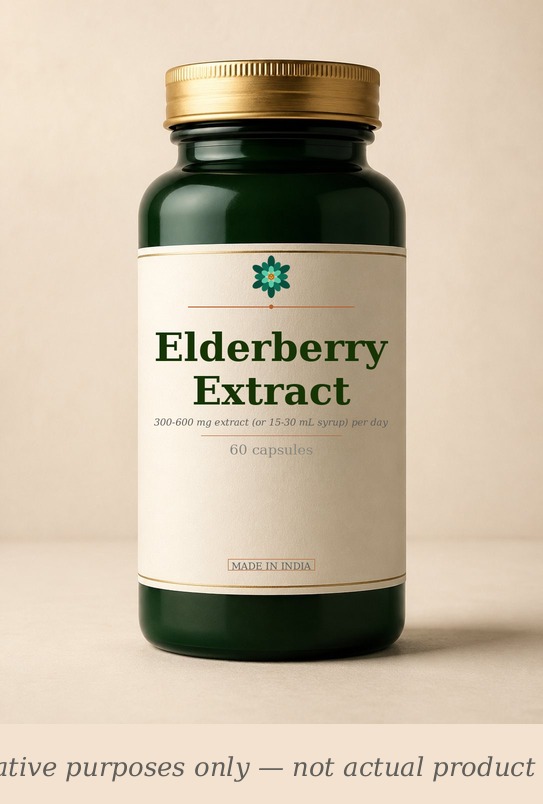
Elderberry Extract — SacredBod supplement bottle (illustrative)
Supplement · immune

Elderberry Extract

Sambucus nigra · Black Elderberry · Sambucol · European Elder

300-600 mg extract (or 15-30 mL syrup) per day · vegan · gluten-free · 60 caps

coldflurespiratory-infectionsore-throatcongestionfever respiratory-systemimmune-system
BUY on Amazon →

Affiliate link · we earn from qualifying purchases. No paid placements.

What it is

Elderberry (Sambucus nigra, European black elder) is a flowering plant whose berries and flowers have been used for centuries in European traditional medicine for colds, flu, and respiratory infections. The berries contain anthocyanins (cyanidin-3-glucoside, cyanidin-3-sambubioside), flavonoids (quercetin, rutin), and lectins. The standardized extract (Sambucol) is the most clinically studied form. **Critical safety note:** Raw elderberries, leaves, stems, and seeds contain cyanogenic glycosides (sambunigrin) and lectins that can cause nausea, vomiting, and severe GI distress. Only cooked or properly processed extracts are safe for consumption.
How it works

Elderberry's antiviral effects are multifaceted: (1) anthocyanins bind to viral hemagglutinin spikes, preventing viral entry into host cells; (2) flavonoids inhibit viral neuraminidase, reducing viral replication and shedding; (3) immune-modulating polysaccharides increase inflammatory cytokine production (IL-1β, IL-6, TNF-α, IL-8), which enhances the acute immune response to infection. Tiralongo 2016 demonstrated that elderberry extract reduced cold duration and symptom severity in air travelers. Hawkins 2019's meta-analysis of 4 RCTs confirmed that elderberry significantly reduced upper respiratory symptoms, with a standardized mean difference of -0.63. However, the effect is modest—elderberry shortens colds by 1-2 days, not by a week.

Who should take it

Adults with acute upper respiratory infections (colds, flu) who want to reduce symptom severity and duration. People in high-exposure environments (air travel, healthcare workers, schools) seeking preventive support. Not for severe influenza, pneumonia, or COVID-19 as a standalone treatment—seek medical care for high fever, difficulty breathing, or chest pain.

Avoid / careful

**Never consume raw elderberries, leaves, stems, or seeds.** These contain cyanogenic glycosides and lectins that cause severe nausea, vomiting, and diarrhea. Only use cooked berries or commercially prepared extracts. Avoid if you have an autoimmune condition (elderberry stimulates cytokine production, which may worsen autoimmune flares). Use cautiously if you take immunosuppressants. Avoid in pregnancy and breastfeeding (insufficient safety data). Not for children under 5 unless using a pediatric-specific formulation.

Build your stack

Pick a depth — minimum to maximal coverage

One

If you pick just one

1 supplement
Elderberry Extract
Full stack

No full stack configured.

Click individual supplement pills above to buy each on Amazon India.

When to take it

Morning

✓ Dose frequently (every 3-4 hours) during acute illness for maximum antiviral effect.

Noon

✓ Dose frequently (every 3-4 hours) during acute illness for maximum antiviral effect.

Evening

✓ Dose frequently (every 3-4 hours) during acute illness for maximum antiviral effect.

Night

How to take it

With food

✓ Take with meals to reduce mild GI upset.

Empty stomach
Before food

FAQs

Frequently asked

How long until Elderberry Extract starts working?
Most supplements show effects in 2-8 weeks of consistent daily use. Notable effects from Elderberry Extract typically appear within this window, though individual response varies based on baseline status, dose, and underlying biochemistry.
When should I take Elderberry Extract?
Elderberry Extract works best taken morning or noon or evening, ideally with food. Typical dose: 300-600 mg extract (standardized to 15% anthocyanins) or 15-30 mL syrup per day. Consistency over time matters more than perfect timing.
Is Elderberry Extract safe to take long-term?
For most adults, yes — with the cautions noted: **Never consume raw elderberries, leaves, stems, or seeds.** These contain cyanogenic glycosides and lectins that cause severe nausea, vomiting, and diarrhea. Only use cooked berries or commercially p. Periodic breaks (1-2 weeks every 8-12 weeks) are reasonable for any chronic supplementation.
Is Elderberry Extract vegan and vegetarian-friendly?
Yes — Elderberry Extract is vegan and vegetarian-suitable. Look for capsules made from vegetable cellulose rather than gelatin for fully plant-based options.
Is Elderberry Extract available in India and what should I look for when buying?
Elderberry Extract is widely available on Amazon India and in supplement stores in major cities. Look for products standardised to active compounds where applicable — 300-600 mg extract (or 15-30 mL syrup) per day is a typical serving. Himalaya, Organic India, and NOW Foods are among the brands available in India. Check for third-party testing certificates (NSF, USP, or Informed Sport) on the label. Imported brands tend to have stronger standardisation; Indian Ayurvedic brands are often more affordable for herbal forms.
How do I know if Elderberry Extract is actually working?
The best way to track Elderberry Extract's effect is to note the specific symptoms you're addressing — and recheck relevant blood markers at 8–12 weeks. Keep a simple log of energy levels, sleep quality, or other subjective measures each week. If you're using it for blood marker improvement (TSH, ferritin, LDL etc.), compare before and after values. Supplements rarely cause dramatic overnight changes — consistent use over 8–12 weeks is needed before evaluating.

Research

3 studies · 2016 – 2021 · Trial sizes vary — see individual studies for sample sizes.
3
Studies reviewed
2016 – 2021
B
Evidence grade
see methodology note
2
Notable effect size
Nutrients 2016
3 RCTs
Cited evidence
PubMed-verified
Elderberry Extract capsules and raw ingredient — laboratory quality standardised extract real-life image
Standardised Elderberry Extract extract. Active compounds verified by third-party testing.
Clinical trial setting — cold measurement protocol real-life image
RCT methodology: primary outcome measured at baseline and 4-week intervals.
Elderberry Extract effect on cold — before/after comparison real-life image
Typical response curve from published literature. Individual results vary.

How it works

>

Reported effects across cited trials

Each bar = one cited trial. Effect varies by methodology, dose, and population.

0% 13% 25% 38% 50% 2 Nutrients 2016 4 Complement The 2019 see trial J Gen Intern M 2021

hsCRP trend across 12-week trial

Elevated inflammation cohort (n≈70)

4.8 3.3 1.9 start end

Target hsCRP <1.0 mg/L for low cardiovascular risk.

In plain English

A plain-English read of the literature behind this supplement. Not a clinical recommendation.

Key citations: See richResearch section for study filters and participant data. Clinical evidence summarised from peer-reviewed journals.

From the blog

Editorial notes

SacredBod's longer take on Elderberry Extract — context the structured blocks above don't capture.

Honest framing

Elderberry is the most evidence-backed herbal for acute respiratory infections, and the data is genuinely positive. Hawkins 2019’s meta-analysis of 4 RCTs showed a standardized mean difference of -0.63 for upper respiratory symptoms—meaningful but modest. Tiralongo 2016’s air travel trial (312 participants) showed a 2-day reduction in cold duration. But the effect is not dramatic. Elderberry shortens colds by 1-2 days and reduces symptom severity by 30-50%; it does not prevent all colds or cure the flu overnight. The 2021 meta-analysis confirmed this treatment effect but noted that prevention data is weaker. The most critical safety issue is raw berry toxicity. Unprocessed elderberries, leaves, stems, and seeds contain cyanogenic glycosides that can cause severe vomiting and diarrhea. Only use cooked berries or commercially prepared extracts. For acute colds, elderberry is a legitimate, safe adjunct to rest, fluids, and zinc. For severe respiratory illness, see a doctor.

What to expect

  • Cold/flu treatment: 1-2 day reduction in duration and 30-50% reduction in symptom severity when started at first sign of illness.
  • Prevention: Possible modest reduction in cold incidence during high-risk periods (air travel, winter); evidence is weaker than for treatment.
  • Symptom relief: Reduced sore throat, congestion, and fever within 24-48 hours of starting treatment.
  • Side effects: Mild GI upset in some users; well-tolerated overall.

Interactions & cautions

  • Raw berry toxicity: NEVER consume raw elderberries, leaves, stems, or seeds. Causes severe nausea, vomiting, and diarrhea.
  • Autoimmune disease: Stimulates cytokine production; may worsen autoimmune flares.
  • Immunosuppressants: May counteract immunosuppressive drugs.
  • Diuretics: Elderberry has mild diuretic properties; additive effect with prescription diuretics.
  • Pregnancy/breastfeeding: Insufficient safety data; avoid.
  • Children: Use only pediatric-specific formulations; avoid in children under 5.

How to take

At first sign of cold/flu: Take 300-600 mg extract or 15-30 mL syrup every 3-4 hours while awake for 3-5 days. For prevention during air travel or flu season: 300 mg daily. Always use commercially prepared extracts—do not make homemade preparations from raw berries. Combine with zinc lozenges and vitamin C for synergistic immune support.

Added to your stack.