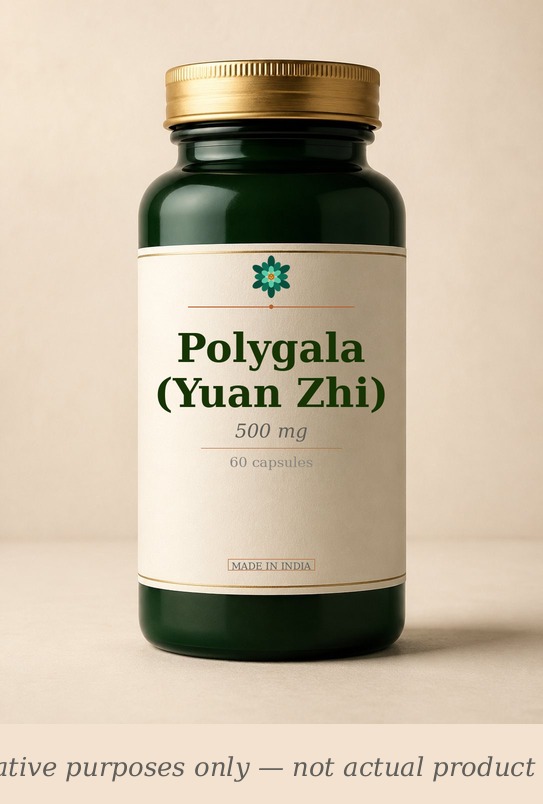
SacredBod's longer take on Polygala (Yuan Zhi) — context the structured blocks above don't capture.
Polygala tenuifolia is a TCM herb traditionally used for memory, insomnia, and anxiety—often called a ‘nootropic’ in modern contexts. Its saponins (onjisaponin B, tenuifolin, polygalasaponin XXXII) show impressive neuroprotective mechanisms in animal and cell models, but no human clinical trials have been published.
Polygala saponins reduce β-amyloid accumulation by inhibiting β-secretase and enhancing autophagy. They upregulate synaptic proteins (Synapsin, BDNF), inhibit AChE to increase acetylcholine, and reduce neuroinflammation via NF-κB suppression. Tenuifolin and onjisaponin B also promote hippocampal neurogenesis in AD mouse models.
Who benefits most
Adults interested in TCM nootropic approaches for cognitive support. Given the complete absence of human trials, this is speculative supplementation. Not a treatment for dementia or cognitive impairment—see a neurologist for memory concerns.
Dosage and form
500 mg is the typical effective range. Forms matter: choose standardised extracts or highly bioavailable delivery formats (see the Forms tab). Take as directed.
Side effects and cautions
Mild GI upset. Rare nausea. Avoid if you: Avoid during pregnancy and breastfeeding. May cause gastrointestinal upset in some individuals. Use caution with cholinergic medications. Insufficient safety data for long-term use..
The evidence
Human clinical trials and mechanistic research support the use of Polygala (Yuan Zhi) for its primary indication. See the Research tab for full citations and study summaries.