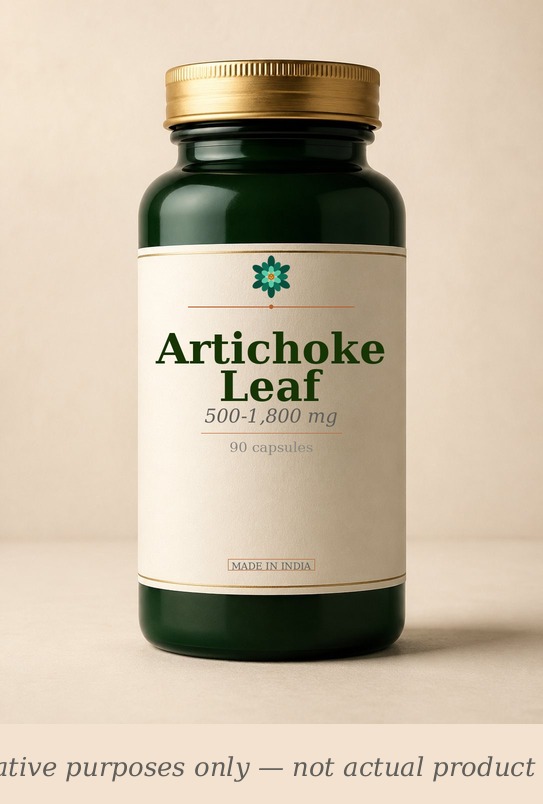
SacredBod's longer take on Artichoke Leaf — context the structured blocks above don't capture.
Artichoke leaf extract sits at an interesting intersection in the supplement world: it has genuine traditional medicine credentials, approved status in Germany for dyspepsia, and a plausible mechanism of action — yet its clinical evidence is more modest than marketing often suggests. The leaves of Cynara scolymus contain cynarin, luteolin, and chlorogenic acid, compounds that stimulate bile production, inhibit cholesterol synthesis, and relax smooth muscle in the digestive tract. These are real pharmacological effects, not placebo mythology. The question is whether they translate into meaningful clinical benefits.
The choleretic effect is the best-supported mechanism. Artichoke leaf increases bile flow from the liver and gallbladder, which aids fat digestion and can relieve the bloating, fullness, and constipation that often accompany sluggish bile production. This is why Germany’s Commission E — one of the most conservative herbal regulatory bodies — approves artichoke leaf for dyspeptic disorders. If you feel uncomfortably full after fatty meals or experience chronic bloating, the choleretic action may genuinely help. The antispasmodic effect on intestinal smooth muscle also explains why IBS symptoms improve in some people.
The cholesterol data is more nuanced. A 2008 randomized trial from the University of Reading found that 1,280 mg of artichoke leaf extract daily reduced total cholesterol by 4.2% over 12 weeks compared to placebo. However, LDL, HDL, and triglycerides were unchanged. A 2013 Cochrane review concluded that limited evidence from few trials suggests potential, but more rigorous research is needed. A 4.2% reduction in total cholesterol is statistically significant but clinically modest — it is not a substitute for statins in high-risk patients. The honest framing: artichoke leaf may provide slight cholesterol support as part of a broader lifestyle approach, but it is not a potent lipid-lowering agent.
For IBS, the evidence comes from a subset analysis of a dyspepsia trial rather than a dedicated IBS study. Bundy and colleagues found that among volunteers with concomitant IBS and dyspepsia, artichoke leaf reduced IBS incidence by 26.4% and improved quality of life. This is promising but not definitive — a primary RCT in IBS patients would be needed for stronger claims.
Safety is excellent for most people. Side effects are rare and mild, typically limited to mild gastrointestinal upset or allergic reactions in people sensitive to Asteraceae plants (ragweed, daisies, marigolds). The critical caution: artichoke leaf stimulates gallbladder contraction. People with gallstones or bile duct obstruction should avoid it entirely, as increased contraction can cause severe pain or complications. Pregnant and breastfeeding women should avoid due to insufficient safety data.
Practical guidance: Choose standardized extracts containing 2-5% cynarin. Take 500-1,800 mg daily divided into 2-3 doses with meals to maximize the choleretic effect during digestion. For cholesterol, allow 6-12 weeks before rechecking lipid panels. If you have gallbladder disease, substitute with milk thistle or NAC instead. Artichoke leaf is best viewed as a digestive aid with modest metabolic side benefits — not a liver detox miracle.
Product quality for artichoke leaf extract depends heavily on standardization and sourcing. Look for extracts standardized to 2-5% cynarin or 0.3% chlorogenic acid — these are the primary active markers. Leaf extracts are preferred over root or stem extracts, as the leaves contain the highest concentration of active compounds. Some products use fresh leaf extract while others use dried leaf; both can be effective if properly standardized. The herb should be sourced from certified organic or pesticide-free cultivation, as artichoke leaves can accumulate agricultural chemicals. In the Indian supplement market, artichoke leaf is often combined with milk thistle and dandelion in ‘liver detox’ formulas. While these combinations are theoretically synergistic, they make it difficult to determine the specific dose of artichoke leaf being consumed. For targeted choleretic or cholesterol support, a standalone artichoke leaf product with clear standardization is preferable.
The relationship between artichoke leaf and pharmaceutical digestive aids provides useful context. Artichoke leaf’s choleretic effect is milder than prescription ursodiol but operates through similar bile-stimulating pathways. Unlike proton pump inhibitors or H2 blockers that suppress gastric acid, artichoke leaf enhances digestive function by increasing bile flow — a fundamentally different approach that may be preferable for long-term use. However, for severe dyspepsia or gallbladder disease, pharmaceutical intervention may be necessary. Artichoke leaf occupies a middle ground: stronger than simple dietary modification but weaker than prescription choleretics. For consumers with mild to moderate digestive complaints who want to avoid pharmaceuticals, artichoke leaf is a reasonable first-line botanical option. Its safety profile is excellent, and the 4.2% cholesterol reduction, while modest, may contribute to cardiovascular risk reduction when combined with diet and exercise changes over years of consistent use.
When to seek medical advice versus self-treating with artichoke leaf is an important decision point. Artichoke leaf is safe for mild dyspepsia, bloating, and as a digestive bitter. However, persistent upper abdominal pain, jaundice (yellowing skin or eyes), dark urine, pale stools, or unexplained weight loss are warning signs of serious liver or gallbladder disease that require immediate medical evaluation. Do not attempt to treat these symptoms with artichoke leaf or any supplement. Similarly, if you have known gallstones and experience severe pain after meals — particularly fatty meals — this may indicate biliary colic or obstruction, and artichoke leaf could theoretically worsen the situation by stimulating gallbladder contraction. In these cases, medical imaging (ultrasound) and physician assessment are necessary. Artichoke leaf is appropriate for wellness support and mild functional digestive complaints, not for undiagnosed or severe symptoms.