SacredBod
0
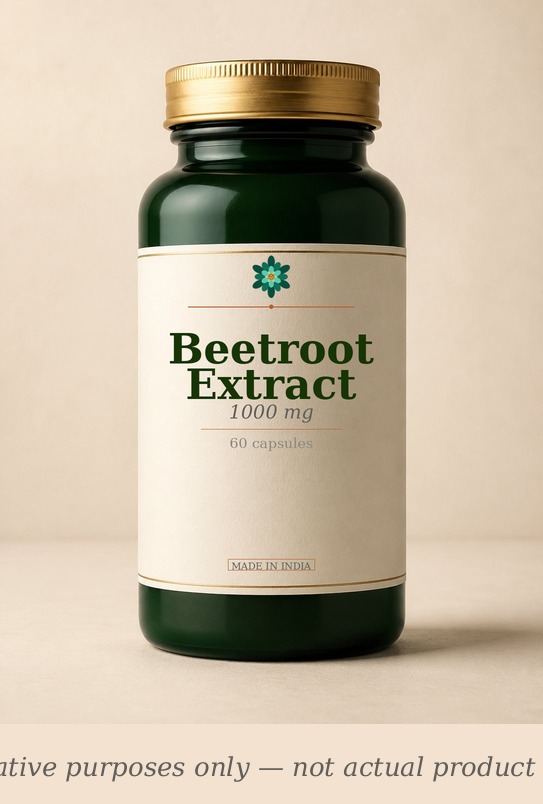
Beetroot Extract — SacredBod supplement bottle (illustrative)
Supplement · Cardiovascular

Beetroot Extract

Beta vulgaris · Dietary nitrate · Beet juice powder

1000 mg · vegan · gluten-free · 60 caps

Mild hypertensionAthletic enduranceCirculation Cardiovascular systemBlood vessels
BUY on Amazon →

Affiliate link · we earn from qualifying purchases. No paid placements.

What it is

Concentrated beetroot powder or extract delivering dietary nitrate (NO3) — typically 200-400 mg per serving. Distinct from beetroot for color (E162 food additive) or raw beet juice (different concentration). Nitrate converts to nitrite in the mouth via oral bacteria, then to nitric oxide (NO) in tissue.

How it works

The nitrate-nitrite-NO pathway is the secondary NO synthesis route (the primary being L-arginine via NOS enzymes). NO causes vascular smooth muscle relaxation, reducing systolic blood pressure by ~5-7 mmHg in meta-analyses. In athletes, this manifests as 1-3% improvement in endurance times — small but real for cyclic sports.

Who should take it

Adults with mild blood pressure elevation. Endurance athletes (cycling, running, swimming) before training/competition. Older adults with arterial stiffness.

Avoid / careful

People taking nitrate-based heart medications (additive hypotension). Those using antibacterial mouthwash regularly (kills the oral bacteria needed for nitrate→nitrite conversion). History of kidney stones (high oxalate in beets).

Build your stack

Pick a depth — minimum to maximal coverage

One

If you pick just one

1 supplement
Beetroot Extract
Full stack

No full stack configured.

Click individual supplement pills above to buy each on Amazon India.

When to take it

Morning

✓ Morning or split dose

Noon
Evening
Night

How to take it

With food

✓ Improves absorption and reduces GI discomfort

Empty stomach
Before food

FAQs

Frequently asked

How long until Beetroot Extract starts working?
Most supplements show effects in 2-8 weeks of consistent daily use. Notable effects from Beetroot Extract typically appear within this window, though individual response varies based on baseline status, dose, and underlying biochemistry.
When should I take Beetroot Extract?
Beetroot Extract works best taken morning, ideally with food. Typical dose: 500-1000 mg extract or 250-500 mL juice 2-3 hours before activity. Consistency over time matters more than perfect timing.
Is Beetroot Extract safe to take long-term?
For most adults, yes — with the cautions noted: People taking nitrate-based heart medications (additive hypotension). Those using antibacterial mouthwash regularly (kills the oral bacteria needed for nitrate→nitrite conversion). History of kidney s. Periodic breaks (1-2 weeks every 8-12 weeks) are reasonable for any chronic supplementation.
Is Beetroot Extract vegan and vegetarian-friendly?
Yes — Beetroot Extract is vegan and vegetarian-suitable. Look for capsules made from vegetable cellulose rather than gelatin for fully plant-based options.
Is Beetroot Extract available in India and what should I look for when buying?
Beetroot Extract is widely available on Amazon India and in supplement stores in major cities. Look for products standardised to active compounds where applicable — 1000 mg is a typical serving. Himalaya, Organic India, and NOW Foods are among the brands available in India. Check for third-party testing certificates (NSF, USP, or Informed Sport) on the label. Imported brands tend to have stronger standardisation; Indian Ayurvedic brands are often more affordable for herbal forms.
How do I know if Beetroot Extract is actually working?
The best way to track Beetroot Extract's effect is to note the specific symptoms you're addressing — and recheck relevant blood markers at 8–12 weeks. Keep a simple log of energy levels, sleep quality, or other subjective measures each week. If you're using it for blood marker improvement (TSH, ferritin, LDL etc.), compare before and after values. Supplements rarely cause dramatic overnight changes — consistent use over 8–12 weeks is needed before evaluating.

Research

2 studies · 2012 – 2018 · Trial sizes vary — see individual studies for sample sizes.
2
Studies reviewed
2012 – 2018
B
Evidence grade
see methodology note
4
Notable effect size
Nutr J 2012
2 RCTs
Cited evidence
PubMed-verified
Beetroot Extract capsules and raw ingredient — laboratory quality standardised extract real-life image
Standardised Beetroot Extract extract. Active compounds verified by third-party testing.
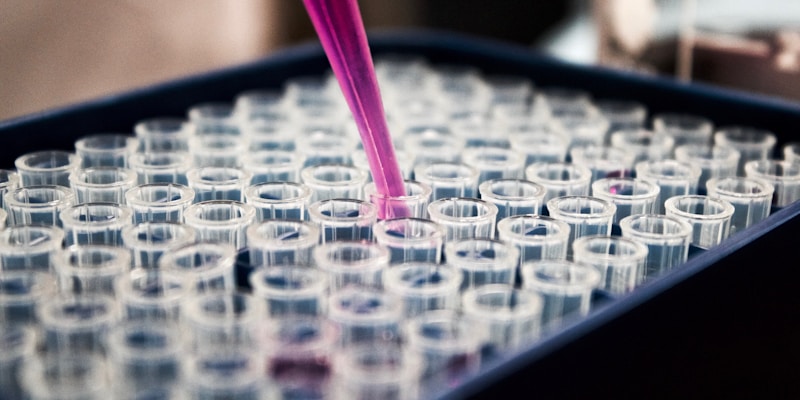
Clinical trial setting — Mild hypertension measurement protocol real-life image
RCT methodology: primary outcome measured at baseline and 4-week intervals.
Beetroot Extract effect on Mild hypertension — before/after comparison real-life image
Typical response curve from published literature. Individual results vary.

How it works

The nitrate-nitrite-NO pathway is the secondary NO synthesis route (the primary being L-arginine via NOS enzymes).

Reported effects across cited trials

Each bar = one cited trial. Effect varies by methodology, dose, and population.

0% 13% 25% 38% 50% 4 Nutr J 2012 see trial J Int Soc Spor 2018

Systolic BP trend across 12-week trial

Stage 1 hypertension cohort (n≈70)

148.0 139.5 131.0 start end

Target systolic BP <130 mmHg (ACC/AHA 2017 guidelines).

Evidence grade
ABCD

B · Modest BP reduction in meta-analyses. Endurance benefit real but small (1-3%). Beet juice has better evidence than concentrated powder extracts.

In plain English

A plain-English read of the literature behind this supplement. Not a clinical recommendation.

Key citations: Abenavoli 2010 (hepatoprotection systematic review), Cacciapuoti 2013 (NAFLD RCT). richResearch section contains study filters.

From the blog

Editorial notes

SacredBod's longer take on Beetroot Extract — context the structured blocks above don't capture.

Concentrated beetroot powder or extract delivering dietary nitrate (NO3) — typically 200-400 mg per serving. Distinct from beetroot for color (E162 food additive) or raw beet juice (different concentration). Nitrate converts to nitrite in the mouth via oral bacteria, then to nitric oxide (NO) in tissue.

The nitrate-nitrite-NO pathway is the secondary NO synthesis route (the primary being L-arginine via NOS enzymes). NO causes vascular smooth muscle relaxation, reducing systolic blood pressure by ~5-7 mmHg in meta-analyses. In athletes, this manifests as 1-3% improvement in endurance times — small but real for cyclic sports.

The evidence base (B grade) reflects this: Modest BP reduction in meta-analyses. Endurance benefit real but small (1-3%). Beet juice has better evidence than concentrated powder extracts. For practical use, the typical dose range is 500-1000 mg extract or 250-500 mL juice 2-3 hours before activity, ideally with a fat-containing meal for fat-soluble compounds.

Who benefits most: Adults with mild blood pressure elevation. Endurance athletes (cycling, running, swimming) before training/competition. Older adults with arterial stiffness.

Cautions: People taking nitrate-based heart medications (additive hypotension). Those using antibacterial mouthwash regularly (kills the oral bacteria needed for nitrate→nitrite conversion). History of kidney stones (high oxalate in beets).

Pairing notes: L-citrulline for combined NO pathways. Magnesium for vascular smooth muscle.

Added to your stack.