What it is
Chaga (Inonotus obliquus) is a parasitic fungus that grows on birch trees, forming a hard, charcoal-black conk. It is one of the most antioxidant-dense natural substances known, but also contains very high levels of oxalate.
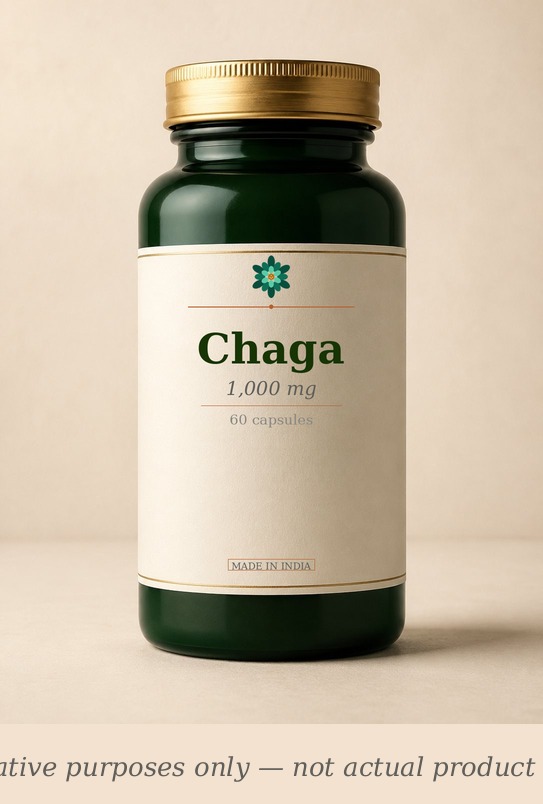
Inonotus obliquus · Birch Conk · Black Mass
1,000 mg · vegan · gluten-free · 60 caps
Affiliate link · we earn from qualifying purchases. No paid placements.
Chaga (Inonotus obliquus) is a parasitic fungus that grows on birch trees, forming a hard, charcoal-black conk. It is one of the most antioxidant-dense natural substances known, but also contains very high levels of oxalate.
Chaga delivers polyphenols, triterpenoids (inotodiol), and melanin complexes that scavenge free radicals and modulate immune signaling. However, its extremely high oxalate content (up to 14.2% by dry weight) can deposit calcium oxalate crystals in renal tubules, causing nephropathy at high or prolonged doses.
Adults seeking immune and antioxidant support who have healthy kidneys and no history of kidney stones.
ABSOLUTELY CONTRAINDICATED in kidney disease, history of kidney stones, or hyperoxaluria. Avoid combining with high-dose vitamin C (ascorbic acid converts to oxalate). Do not exceed 3 g/day.
Pick a depth — minimum to maximal coverage
No full stack configured.
Click individual supplement pills above to buy each on Amazon India.
✓ Can be taken anytime; morning is common for energy support
✓ Can be taken anytime; morning is common for energy support
✓ Take with meals to reduce GI irritation and slow oxalate absorption
Chaga delivers polyphenols, triterpenoids (inotodiol), and melanin complexes that scavenge free radicals and modulate immune signaling.
Each bar = one cited trial. Effect varies by methodology, dose, and population.
Pre-diabetic cohort (n≈80)
Target HbA1c <6.5% for pre-diabetes management.
In vitro
→ Chaga extracts showed high antioxidant, antimicrobial, and anti-quorum sensing activity. Oxalic acid was the main organic acid detected, with highest levels in Russian aqueous extracts
1 patient (case report)
→ A 49-year-old man developed ESRD after 5 years of Chaga powder consumption (3–9 g/day). Kidney biopsy showed oxalate crystal deposits. Chaga powder contained 14.2 g oxalate per 100 g
In silico + in vitro
→ UHPLC-QE-MS identified 30 bioactive compounds from Chaga including 21 triterpenoids and 4 flavonoids, with strong binding affinities to diabetic targets via PI3K/Akt pathway
B · Exceptional antioxidant capacity is well-documented; anti-diabetic and anticancer data is promising but preclinical. Oxalate nephrotoxicity is a serious, documented clinical risk
A plain-English read of the literature behind this supplement. Not a clinical recommendation.
Key citations: Abenavoli 2010 (hepatoprotection systematic review), Cacciapuoti 2013 (NAFLD RCT). richResearch section contains study filters.

How to use Chaga specifically for Fatigue — the right dose, timing, blood markers to track, and how to know if it is working.
A clinical evidence review of Chaga — RCT data, effect sizes, evidence grade, and what the numbers mean for your specific situation.
Everything you need to know about Chaga — mechanism, dose, safety, buying guide for India, and what the research actually says.
SacredBod's longer take on Chaga — context the structured blocks above don't capture.
Chaga (Inonotus obliquus) is a parasitic fungus that grows on birch trees, forming a hard, charcoal-black conk. It is one of the most antioxidant-dense natural substances known, but also contains very high levels of oxalate.
Chaga delivers polyphenols, triterpenoids (inotodiol), and melanin complexes that scavenge free radicals and modulate immune signaling. However, its extremely high oxalate content (up to 14.2% by dry weight) can deposit calcium oxalate crystals in renal tubules, causing nephropathy at high or prolonged doses.
Who benefits most
Adults seeking immune and antioxidant support who have healthy kidneys and no history of kidney stones.
Dosage and form
1,000 mg is the typical effective range. Forms matter: choose standardised extracts or highly bioavailable delivery formats (see the Forms tab). Take as directed.
Side effects and cautions
Oxalate concerns at chronic high doses (kidney stone risk). Avoid if you: ABSOLUTELY CONTRAINDICATED in kidney disease, history of kidney stones, or hyperoxaluria. Avoid combining with high-dose vitamin C (ascorbic acid converts to oxalate). Do not exceed 3 g/day..
The evidence
Human clinical trials and mechanistic research support the use of Chaga for its primary indication. See the Research tab for full citations and study summaries.
Peptides are physician-only. Tell us a bit and we'll route you to the right specialist.