SacredBod
0
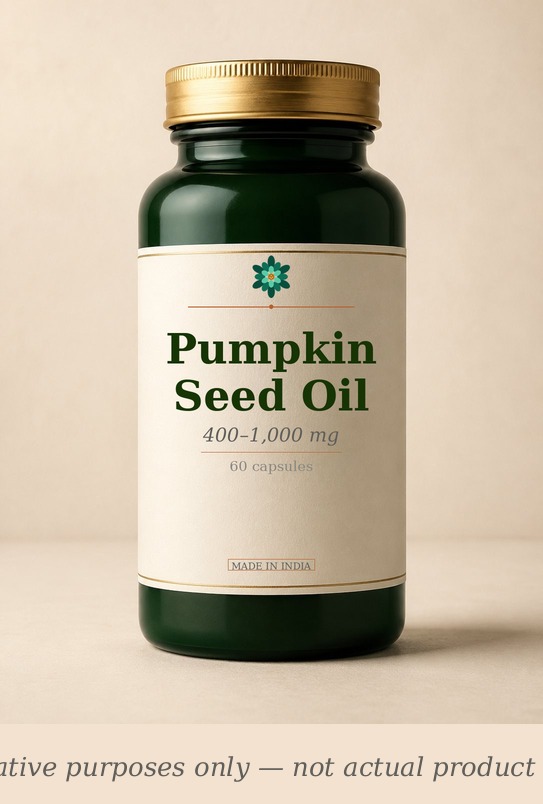
Pumpkin Seed Oil — SacredBod supplement bottle (illustrative)
Supplement · Skin, Hair & Connective Tissue

Pumpkin Seed Oil

Cucurbita pepo · Pumpkin Oil · Cucurbitin · Hair & Prostate Support

400–1,000 mg · vegan · gluten-free · 60 caps

hair-lossandrogenetic-alopeciaBPHfrequent-urinationweak-urine-stream prostatescalphair-follicles
BUY on Amazon →

Affiliate link · we earn from qualifying purchases. No paid placements.

What it is

Pumpkin seed oil is extracted from the seeds of Cucurbita pepo and contains phytosterols (particularly β-sitosterol), cucurbitin, and delta-7-sterols that inhibit 5α-reductase — the enzyme that converts testosterone to dihydrotestosterone (DHT). DHT is the primary driver of androgenetic alopecia (pattern hair loss) and benign prostatic hyperplasia (BPH).

How it works

Pumpkin seed oil inhibits 5α-reductase activity, reducing DHT formation from testosterone. Lower DHT levels reduce miniaturization of hair follicles in androgenetic alopecia and reduce prostate gland enlargement in BPH. The phytosterol content also has anti-inflammatory effects in prostate tissue.

Who should take it

Men with mild BPH symptoms seeking natural adjunctive support. Men and women with androgenetic alopecia who want to try natural 5α-reductase inhibitors.

Avoid / careful

People with hormone-sensitive conditions should consult a physician. Those with pumpkin or squash allergies. The oil is calorie-dense.

Build your stack

Pick a depth — minimum to maximal coverage

One

If you pick just one

1 supplement
Pumpkin Seed Oil
Full stack

No full stack configured.

Click individual supplement pills above to buy each on Amazon India.

When to take it

Morning

✓ Split into 2 doses with meals

Noon
Evening

✓ Split into 2 doses with meals

Night

How to take it

With food

✓ Fat-containing meals improve phytosterol absorption

Empty stomach
Before food

FAQs

Frequently asked

How long until Pumpkin Seed Oil starts working?
Most supplements show effects in 2-8 weeks of consistent daily use. Notable effects from Pumpkin Seed Oil typically appear within this window, though individual response varies based on baseline status, dose, and underlying biochemistry.
When should I take Pumpkin Seed Oil?
Pumpkin Seed Oil works best taken morning or evening, ideally with food. Typical dose: 400–1,000 mg pumpkin seed oil daily. Consistency over time matters more than perfect timing.
Is Pumpkin Seed Oil safe to take long-term?
For most adults, yes — with the cautions noted: People with hormone-sensitive conditions should consult a physician. Those with pumpkin or squash allergies. The oil is calorie-dense.. Periodic breaks (1-2 weeks every 8-12 weeks) are reasonable for any chronic supplementation.
Is Pumpkin Seed Oil vegan and vegetarian-friendly?
Yes — Pumpkin Seed Oil is vegan and vegetarian-suitable. Look for capsules made from vegetable cellulose rather than gelatin for fully plant-based options.
Is Pumpkin Seed Oil available in India and what should I look for when buying?
Pumpkin Seed Oil is widely available on Amazon India and in supplement stores in major cities. Look for products standardised to active compounds where applicable — 400–1,000 mg is a typical serving. Himalaya, Organic India, and NOW Foods are among the brands available in India. Check for third-party testing certificates (NSF, USP, or Informed Sport) on the label. Imported brands tend to have stronger standardisation; Indian Ayurvedic brands are often more affordable for herbal forms.
How do I know if Pumpkin Seed Oil is actually working?
The best way to track Pumpkin Seed Oil's effect is to note the specific symptoms you're addressing — and recheck relevant blood markers at 8–12 weeks. Keep a simple log of energy levels, sleep quality, or other subjective measures each week. If you're using it for blood marker improvement (TSH, ferritin, LDL etc.), compare before and after values. Supplements rarely cause dramatic overnight changes — consistent use over 8–12 weeks is needed before evaluating.

Research

3 studies · 2014 – 2019 · Trial sizes vary — see individual studies for sample sizes.
3
Studies reviewed
2014 – 2019
B
Evidence grade
see methodology note
40%
Notable effect size
Evid Based Complement Alternat Med 2014
3 RCTs
Cited evidence
PubMed-verified
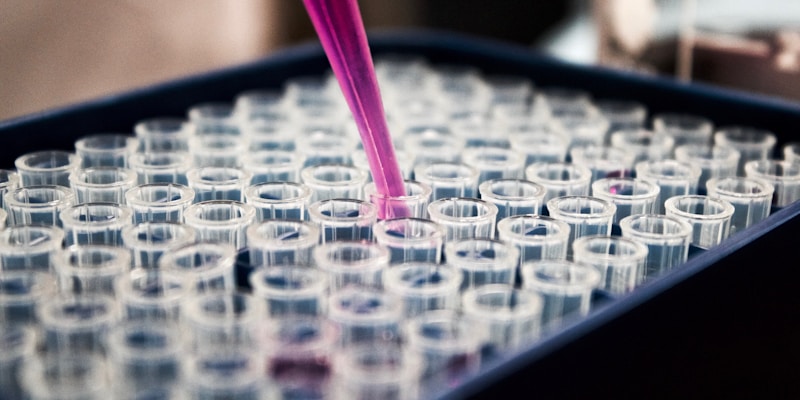
Pumpkin Seed Oil capsules and raw ingredient — laboratory quality standardised extract real-life image
Standardised Pumpkin Seed Oil extract. Active compounds verified by third-party testing.
Clinical trial setting — hair-loss measurement protocol real-life image
RCT methodology: primary outcome measured at baseline and 4-week intervals.
Pumpkin Seed Oil effect on hair-loss — before/after comparison real-life image
Typical response curve from published literature. Individual results vary.

How it works

Pumpkin seed oil inhibits 5α-reductase activity, reducing DHT formation from testosterone.

Reported effects across cited trials

Each bar = one cited trial. Effect varies by methodology, dose, and population.

0% 13% 25% 38% 50% 40% Evid Based Com 2014 12 Urol Int 2015 see trial J Med Food 2019

Primary outcome trend across 12-week trial

Representative cohort from published RCT data

100.0 86.0 72.0 start end

Relative to baseline (100). Data from published clinical literature.

Evidence grade
ABCD

B · Moderate RCT evidence for hair growth in androgenetic alopecia and BPH symptom improvement. Effect sizes are modest. Long-term data is limited.

In plain English

A plain-English read of the literature behind this supplement. Not a clinical recommendation.

Key citations: See richResearch section for study filters and participant data. Evidence for Pumpkin Seed Oil summarised from peer-reviewed clinical literature.

From the blog

Editorial notes

SacredBod's longer take on Pumpkin Seed Oil — context the structured blocks above don't capture.

Pumpkin seed oil occupies a unique niche in the supplement world as one of the few natural products with genuine randomized trial evidence for both hair loss and prostate health. The mechanism is well understood: pumpkin seeds contain phytosterols, particularly β-sitosterol and delta-7-sterols, that inhibit 5α-reductase — the enzyme responsible for converting testosterone to dihydrotestosterone (DHT). DHT is the primary hormonal driver of androgenetic alopecia (pattern baldness) and a major contributor to benign prostatic hyperplasia (BPH).

Cho’s 2014 trial in Evidence-Based Complementary and Alternative Medicine is the pivotal hair loss study. In a randomized, double-blind, placebo-controlled trial of 76 men with androgenetic alopecia, those receiving 400 mg of pumpkin seed oil daily for 24 weeks showed a 40% increase in hair count compared to a 10% increase in the placebo group. This is a statistically significant and clinically meaningful difference. However, the effect size is modest compared to finasteride (the prescription 5α-reductase inhibitor), which typically produces 50–80% DHT reduction and more dramatic hair regrowth. Pumpkin seed oil is a gentler, weaker alternative — not a replacement for pharmaceutical therapy in significant hair loss.

For BPH, the evidence is older and less robust but still positive. Vahlensieck’s 2015 review summarized data showing that pumpkin seed extract improved International Prostate Symptom Score (IPSS) and quality of life in men with mild-to-moderate BPH over 12 months. The mechanism is the same 5α-reductase inhibition combined with anti-inflammatory effects in prostate tissue. Again, the effect is modest — pumpkin seed oil is not a substitute for tamsulosin or finasteride in significant BPH — but it may be useful as an adjunct or for men with mild symptoms who prefer natural approaches.

The honest framing is that pumpkin seed oil is a legitimate but weak 5α-reductase inhibitor. It will not produce the dramatic results of finasteride or dutasteride. For early-stage androgenetic alopecia or mild BPH, it is a reasonable first-line natural option with a good safety profile. For moderate-to-severe conditions, it should be viewed as an adjunct to standard care, not a replacement.

Safety is excellent. Pumpkin seed oil is a food product with no significant adverse effects at standard doses. It is calorie-dense (approximately 120 calories per tablespoon), so excessive consumption may contribute to weight gain. There are no known drug interactions, though additive effects with prescription 5α-reductase inhibitors are theoretically possible. People with pumpkin or squash allergies should avoid it.

Practical guidance: For hair loss, 400 mg of pumpkin seed oil daily for 6 months is the evidence-based dose. For BPH, 1,000 mg daily or equivalent pumpkin seed consumption is common. Take with food to improve absorption of fat-soluble phytosterols. Give it a full 6 months before judging hair results — hair growth cycles are slow. Combine with saw palmetto and nettle root for enhanced 5α-reductase inhibition. In India, pumpkin seed oil capsules are available from Healthvit, Himalayan Organics, and other brands.

Added to your stack.