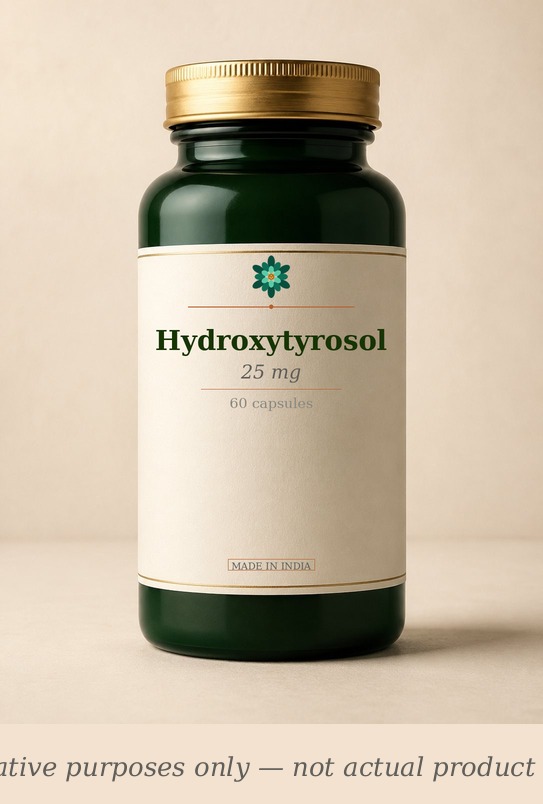
SacredBod's longer take on Hydroxytyrosol — context the structured blocks above don't capture.
Hydroxytyrosol is the most potent antioxidant polyphenol in olive oil and olive leaf extract. It is a small-molecule catechol that is both water- and lipid-soluble, allowing it to protect cellular membranes and aqueous compartments alike. The European Food Safety Authority (EFSA) has approved a health claim for hydroxytyrosol protecting LDL particles from oxidative damage at doses ≥5 mg/day.
Hydroxytyrosol scavenges peroxyl radicals, chelates transition metal ions, and upregulates endogenous antioxidant enzymes (SOD, CAT, GPx). It inhibits NF-κB and MAPK signaling, reducing pro-inflammatory cytokine production. Its bioavailability is notably higher than many other polyphenols—approximately 99% is absorbed after oral administration, with metabolites detectable in plasma within 30 minutes.
Who benefits most
Adults seeking cardiovascular antioxidant support, particularly those wanting the key active compound from olive oil without the caloric load.
Dosage and form
25 mg is the typical effective range. Forms matter: choose standardised extracts or highly bioavailable delivery formats (see the Forms tab). Take as directed.
Side effects and cautions
Generally well-tolerated as olive polyphenol. Avoid if you: No major contraindications. Very high doses may have mild hypotensive effects. Those on blood pressure medications should monitor..
The evidence
Human clinical trials and mechanistic research support the use of Hydroxytyrosol for its primary indication. See the Research tab for full citations and study summaries.